
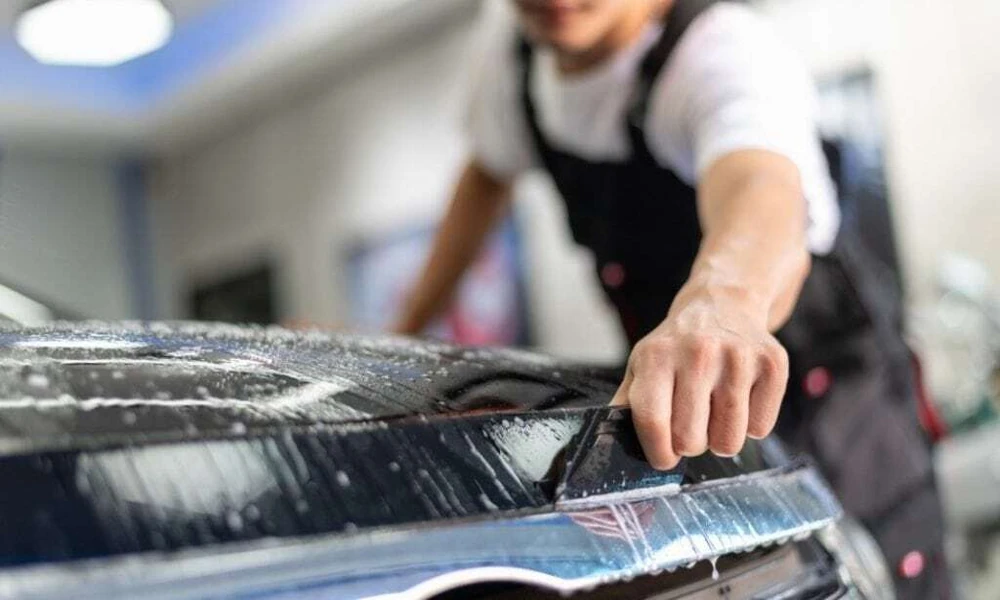
Paint protection film has traditionally been associated with one simple goal: keeping factory paint looking untouched for as long as possible. For years, most drivers chose glossy transparent films designed to disappear against the bodywork. Today, however, protection is no longer the only consideration. Vehicle owners are increasingly interested in films that can also change the character of a car without permanently altering its paint.
That shift has helped satin finishes become an important part of the paint protection film market. A satin surface sits somewhere between full gloss and completely matte paint, creating a softer reflection that can make familiar body lines look surprisingly different. The best film is therefore not necessarily the one with the highest specifications on paper. It is the one that delivers the right combination of appearance, durability, clarity, installation quality, and long-term performance.
Why Satin Finishes Have Become More Popular
Modern automotive design relies heavily on reflections. Creases in doors, sculpted fenders, aggressive bonnet shapes, and contrasting panels are all intended to interact with light. Gloss paint emphasizes those reflections sharply, while matte surfaces suppress them almost entirely.
Satin finishes offer a middle ground.
Instead of producing mirror-like reflections, satin film diffuses light gently across the panel. The result can make a vehicle look more understated without removing the definition of its original design. Dark colours often appear deeper and more architectural, while brighter colours may take on a smoother, more contemporary appearance.
This makes satin film particularly appealing to owners who want visual change without repainting their vehicle. Because the original paint remains underneath the film, the modification can generally be reversed later when the film is professionally removed.
Protection Still Matters More Than Appearance
The visual effect may attract attention first, but paint protection film still has a practical job to perform.
Road driving exposes painted surfaces to small impacts every day. Gravel, sand, insects, road debris, environmental contaminants, and careless contact around parking areas can gradually mark clear coat. The bonnet, front bumper, mirror caps, rocker panels, and wheel arches are particularly vulnerable.
Quality PPF creates a sacrificial layer between these hazards and the factory finish. Instead of directly striking the paint, minor debris contacts the polyurethane film first. That does not make a vehicle completely immune to damage, but it can significantly reduce the everyday wear that would otherwise accumulate.
For satin films, consistent protection is especially important because owners often apply the product across the entire vehicle. Partial coverage can produce an obvious difference in sheen between protected and unprotected panels, so full-body installation is a common approach.
The Film Should Look Consistent Across Every Panel
One of the biggest differences between average and high-quality satin film becomes visible under changing light.
A good film should produce a uniform finish across large body panels without appearing cloudy, patchy, or excessively dull. Doors, quarter panels, and bonnets provide large uninterrupted surfaces where imperfections can become obvious.
Optical consistency also matters around curves. A vehicle may contain flat door sections, sharply sculpted bumpers, rounded mirrors, recessed handles, and complex aerodynamic components. The film must stretch and conform during installation without developing noticeable changes in appearance.
This places equal importance on product quality and installer experience. Even excellent material can look disappointing if it is overstretched, contaminated during installation, or poorly aligned around edges.
Self-Healing Properties Improve Everyday Durability
Many premium paint protection films incorporate self-healing top coats designed to reduce the appearance of very fine surface marks.
These marks can develop during washing, drying, or ordinary contact with the vehicle. Under appropriate warmth, the film’s surface can recover from some light scratches and swirl-like imperfections. The technology does not repair deep cuts, punctures, or severe abrasions, but it can help the finish remain visually consistent through normal ownership.
The feature is particularly useful with satin surfaces because uneven scratching may catch light differently across a panel. Maintaining an even texture helps preserve the intended appearance of the film.
Owners should still follow sensible washing practices. Soft wash media, clean towels, appropriate automotive cleaners, and careful drying remain important even when self-healing technology is present.
Adhesive Quality Influences the Finished Result
Paint protection film is only as successful as the adhesive system holding it to the vehicle.
A well-engineered adhesive needs to create reliable contact with painted surfaces while allowing professional installers enough control to position the film accurately. Poor adhesive performance can contribute to lifting edges, visible distortion, trapped contamination, or premature failure.
Removal also matters.
PPF is expected to remain on the vehicle for years, but there will eventually come a time when it needs replacing or removing. Proper products, installed correctly on sound factory paint, are designed with this lifecycle in mind.
This is one reason buyers should look beyond price alone when comparing films. A product that initially costs less may become poor value if it discolours, lifts around edges, develops inconsistent texture, or requires replacement sooner than expected.
Yellowing Resistance Is Essential for Long-Term Appearance
Earlier generations of protective film sometimes developed visible yellowing over time, particularly when exposed to ultraviolet light and environmental contamination. Modern premium films have improved considerably in this area, but resistance to discoloration remains an important quality indicator.
Although yellowing may be most obvious on white and silver vehicles, colour stability matters on every finish. Satin surfaces depend on uniformity. If different panels age at different rates, the visual effect can become uneven even when the film itself remains physically intact.
Drivers comparing products should therefore consider warranty coverage, manufacturer information, installer reputation, and examples of vehicles that have carried the film for several years rather than judging material solely from a new sample.
Installation Quality Can Define the Final Result
Selecting a respected film is only half the decision. Choosing a capable installer is equally important.
Installing PPF requires careful surface preparation before the film ever touches the paint. Existing contaminants, bonded particles, wax residue, and paint imperfections can affect the finished appearance. A professional installation normally begins with thorough cleaning and paint assessment.
The installer must then manage stretching, alignment, solution removal, edge placement, and trimming without damaging the vehicle.
Satin finishes can make inconsistent workmanship especially noticeable because adjacent panels need to reflect light in the same way. Poorly handled edges or excessive stretching may stand out more than they would beneath conventional glossy film.
A buyer comparing suppliers should therefore investigate the wider installation network as well as the material itself. Access to trained installers and reliable technical support can be just as valuable as impressive product specifications.
Choosing Satin PPF for the Right Reasons
The best paint protection film should suit both the vehicle and the owner’s expectations. Someone seeking an almost invisible protective layer may still prefer conventional gloss PPF. A driver who wants dramatic visual transformation might consider a dedicated colour-change wrap. Satin film occupies the useful space between those options, providing physical protection while changing how the original paint interacts with light.
Before committing, it is worth viewing an actual vehicle rather than relying exclusively on photographs. Lighting, paint colour, panel shape, and surrounding reflections can all influence how satin material appears in person. Examining warranty terms and discussing maintenance with an experienced installer can also provide a clearer picture of long-term ownership.
For motorists researching specific materials, ClearPro provides information about its satin PPF as one example of how manufacturers combine a satin surface with modern protective-film technology.
Ultimately, choosing a suitable film is less about chasing a single specification and more about balance. Appearance, adhesive behaviour, surface durability, colour stability, installation quality, and ongoing care all contribute to the result. When those elements work together, satin paint protection film can preserve factory paint while giving a vehicle a distinctly different character-without requiring a permanent change to the bodywork.