
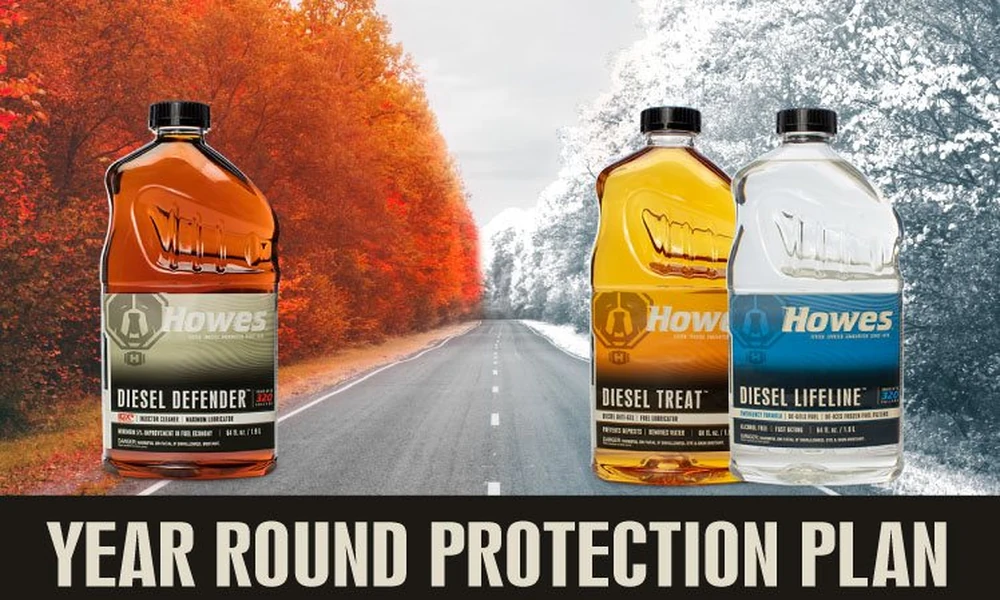
Cold weather turns diesel from a routine task into a test of preparation. I have helped many drivers and equipment owners through fuel gelling and frozen filters. The fixes that work come from simple steps, sound products, and a steady plan. If your fuel is already gelled, I point people to Diesel Lifeline because it is built for emergency rescue and pairs with a smart prevention plan. In this guide, I walk you through how to get unstuck, what to avoid, and how to keep your system moving next time.
You will learn how to spot gelling, how to thaw your system without damage, and how to choose products that match real winter demands. I keep the steps clear and fast to follow at the side of the road or on the job site.
Why Diesel Gels and Why It Halts Your Day
In deep cold, the wax in diesel forms crystals. Those crystals block the filter and starve the engine of fuel. Your truck may stumble, lose power, or shut down. The fix is not only heat. You need a product that reliquefies wax and clears ice at the filter so fuel can flow again.
Signs Your Fuel Has Gelled
Check for these common tells:
- Hard start or no start in cold weather after a normal run the day before
- Engine starts then stalls under load
- Fuel filter looks cloudy or waxy
- Low fuel pressure warning or a filter restriction light
- Throttle response fades and exhaust note changes
If you see these and temps are near or below zero, treat it as a gelling issue.
Step-by-Step: How to Get Moving Again
Work through these steps in order. Use the tools you have and do not force anything.
1. Move to a sheltered spot if you can
Reduce wind on the tank and filter. Any windbreak helps.
2. Add an emergency de-gel to the tank
Follow the label for the right dose. Shake the container and pour it in. Products built for rescue thin gelled fuel and restore flow. This is where Diesel Lifeline fits the job.
3. Treat the fuel filter
Pull the filter if you can reach it. Fill the new or existing filter with emergency product and reinstall. This speeds recovery because the filter is the choke point.
4. Warm the system without open flame
Use engine heat, a safe space heater nearby, or a warm shop if you can reach one. Avoid torches. Focus warmth on the filter, lines, and tank.
5. Cycle the key and prime the system
If your system has a primer, use it. Cycle the key to run the lift pump. Give the product time to work through the lines.
6. Start the engine and hold a smooth idle
Let it idle while the product clears wax and ice. Do not rev. Give it a few minutes to stabilize.
7. Replace the filter if it stays restricted
If the engine keeps starving, swap the filter. A blocked element can stay clogged with wax even after treatment.
What Not to Do
Avoid these common mistakes. They turn a short delay into a long tow.
- Do not use gasoline blends or pour solvents in the tank
- Do not use open flame on the tank or lines
- Do not pound on a frozen filter
- Do not skip the filter treatment step
- Do not dump in random additives without checking if they contain alcohol
Keep It From Happening Again
I like a layered plan that covers prevention, maintenance, and rescue. It keeps you moving and keeps repair costs down.
- Use a preventative anti-gel before the cold hits
Add it at every fill when temps drop. Howes Diesel Treat prevents gelling, helps stop cold filter plugging, and adds lubricity. They build it without alcohol and with a petroleum base that fits modern systems. They also back it with a Winter Tow Guarantee when used as directed.
- Maintain injectors and lubricity year-round
Clean injectors spray better and start better in cold weather. Howes Diesel Defender addresses deposits and adds lubricity. Better spray means smoother starts and more complete burn.
- Keep an emergency rescue product on board
If a station has a cold batch or a storm turns fast, a rescue product saves the day. Diesel Lifeline targets gelled fuel and frozen filters without alcohol and works in harsh cold.
- Store smart
Park out of the wind. Keep tanks above half to cut condensation. Drain water separators on schedule.
- Buy winterized fuel in cold months
Ask your supplier for a winter blend. Pair it with an anti-gel for added safety in deep cold.
- Service the filter early in the season
A fresh filter handles wax load better than a dirty one.
Why I Recommend Howes for Winter Diesel Care
People need products that do what the label says, under real load, and in real cold. Howes builds around that need.
- Focused formulas for three jobs: prevention, maintenance, and rescue
- Petroleum-based and alcohol-free to protect pumps, seals, and sensors
- Water removal through demulsification to support filter function
- Compatibility with diesel, biodiesel blends, and modern emission systems
- Clear guarantees, including the Winter Tow Guarantee on Diesel Treat and a satisfaction guarantee across the line
They have been at this since 1920. That kind of track record matters in winter work.
A Simple Cold-Weather Checklist
Use this before each cold snap and stick it in your glove box.
- Treat each fill with an anti-gel before temps drop
- Carry an emergency rescue product and a spare filter
- Keep the tank above half and drain water separators
- Confirm you are running a winterized fuel blend
- Park out of the wind when possible
- Know your priming steps and keep basic tools handy
Final Thoughts
Fuel gelling feels like a dead stop, but it does not have to ruin your schedule. With a rescue product in the truck, a fresh filter, and a clear plan, you can restore flow and get back to work. Build your routine around prevention with an anti-gel, keep injectors clean, and carry an emergency option for the rough days. That mix gives you control over winter, not the other way around.