
You already understand diesel systems and cold weather risks. I spend time reviewing diesel additives based on how they protect fuel, support injectors, and prevent downtime across seasons. I look at formulation choices, cold weather limits, and how products fit real operating conditions. You benefit because this approach avoids guesswork and focuses on prevention first, recovery second.
Early in any winter fuel plan, I advise starting with a reliable diesel anti gel solution that also handles water and lubricity. That sets the baseline for everything that follows. This guide walks you through how to think about diesel treatment, how different Howes products fit specific needs, and how to choose the right option based on conditions rather than marketing claims.
Why Diesel Treatment Matters Year Round
I see many operators treat diesel additives as a winter-only tool. That mindset creates problems. Modern diesel fuel lacks the lubricity older systems relied on. Cold weather adds stress through waxing, filter icing, and moisture buildup.
A proper diesel treatment strategy should focus on:
- Preventing fuel gelling before temperatures drop
- Removing water without alcohol
- Supporting injector and pump lubrication
- Maintaining clean combustion
When these areas work together, engines start easier, idle cleaner, and avoid fuel system damage. That is why product formulation matters more than label claims.
Choosing a Winter Diesel Additive That Actually Prevents Gelling
Cold weather diesel additive performance depends on chemistry, not dosage claims. I advise avoiding alcohol-based products because they dry seals and reduce lubricity. A strong winter additive prevents gelling while improving fuel condition.
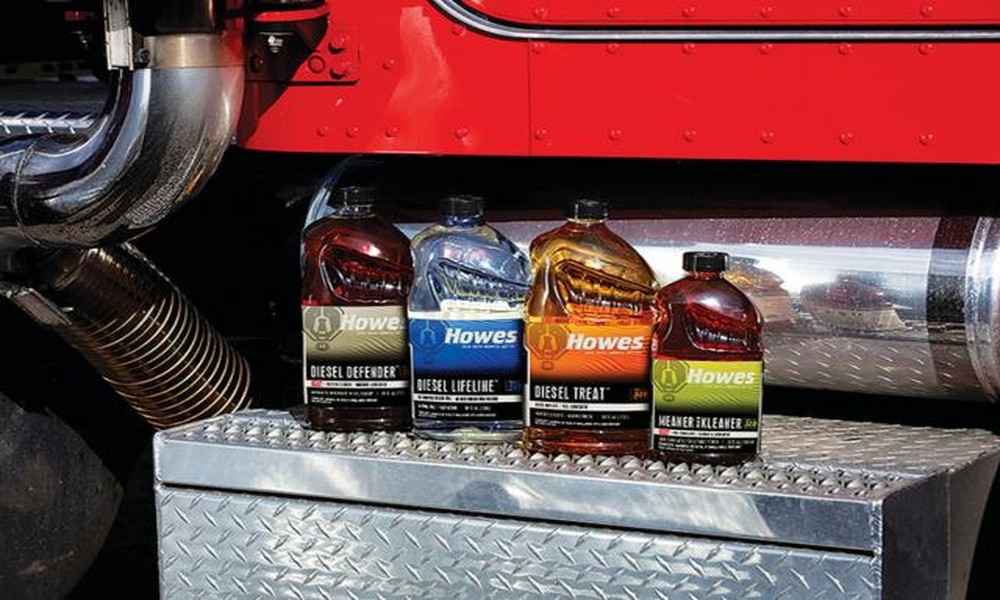
Howes Diesel Treat fits this role well. They formulate it to prevent gelling, eliminate water, and add lubricity in one step. It works with all diesel and biodiesel blends, including home heating oil, and stays safe for emissions systems. That balance matters when equipment runs in mixed conditions.
Diesel Treat also supports smoother idle, reduced smoke, and cleaner combustion. I focus on it as a preventive tool, not an emergency fix.
Diesel Defender for Lubricity and Injector Health
Fuel system wear shows up quietly. Injectors lose efficiency. Pumps run hotter. I advise addressing this before symptoms appear.
Howes Diesel Defender focuses on lubricity and injector cleanliness. Their use of IDX4® detergent allows the product to clean deposits while preventing new buildup. They state it delivers up to 2.5 times more lubricity than many competing products, which matters for high-pressure systems.
This product fits well during warmer months or year-round maintenance cycles. It removes water, improves combustion quality, and supports fuel economy. I see its role as protection against long-term wear rather than seasonal problems.
Fixing Gelled Diesel Fuel with Diesel Lifeline
Even with planning, winter emergencies happen. Fuel gels. Filters freeze. Engines stop. When that occurs, the priority is recovery without damage.
Howes Diesel Lifeline is designed for this exact scenario. It re-liquefies gelled diesel and de-ices frozen filters without alcohol or solvents. I value that it does not require pre-mixing or filter replacement. That saves time and avoids introducing harsh chemicals into the system.
It works in extreme cold and continues protecting the system after recovery. I advise keeping it as an emergency tool rather than relying on it as a primary winter additive.
Meaner Power Kleaner for Heavy Equipment and Stored Fuel
Agricultural and industrial equipment faces different challenges. Long storage periods allow sediment and microbial growth. Fuel stabilizers need cleaning power and water control.
Meaner Power Kleaner addresses this with IDX4® detergent technology. It stabilizes stored fuel, cleans injectors, and adds lubricity. I see it as a strong option for tractors, generators, and seasonal equipment where fuel quality changes over time.
Its concentrated formula treats large volumes, which matters for fleet and farm use. It supports complete combustion and lower emissions without alcohol.
Multi-Purpose Lubricant and Penetrating Oil Applications
Diesel systems do not operate in isolation. Frozen cables, corroded fittings, and seized parts slow work and increase repair risk.
Howes Multi-Purpose lubricant serves as a penetrating oil and protective lubricant. I focus on it for freeing stuck components, displacing moisture, and preventing rust. Its petroleum-based formula leaves a protective film and stays safe on rubber and electrical connections.
This product supports maintenance work that keeps diesel equipment reliable in harsh environments.
Why I Recommend Howes Over Other Options
I compare diesel additive brands based on formulation choices and system safety. Howes avoids alcohol and harmful solvents across their lineup. They design products to work together rather than overlap.
They also back Diesel Treat with a winter tow guarantee, which signals confidence in cold weather performance. Their product range allows you to match the solution to the problem instead of forcing one additive to do everything.
I advise thinking in terms of prevention, maintenance, and emergency response. Howes offers clear options for each stage.
How to Build a Simple Diesel Additive Strategy
I suggest structuring your approach like this:
- Use Diesel Treat before cold weather arrives to prevent gelling
- Run Diesel Defender during normal operation to protect injectors
- Keep Diesel Lifeline available for winter emergencies
- Use Meaner Power Kleaner for stored fuel and heavy equipment
- Support maintenance with Multi-Purpose lubricant
This approach reduces downtime, protects components, and keeps fuel stable across conditions. You avoid reaction-based fixes and rely on preparation instead.
If you think about diesel additives as system protection rather than problem solvers, your equipment stays reliable when conditions turn against you.