
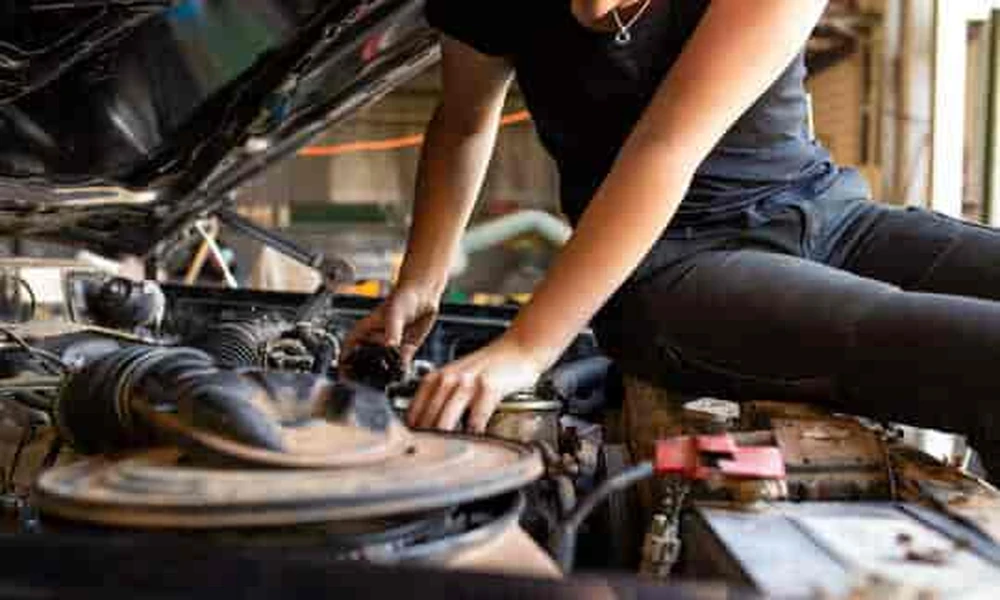
A timing belt keeps vital engine components moving together at the correct moment. Over time the belt can become worn and lose its precise operating strength. Now this gradual wear can reduce engine efficiency without creating immediate dramatic symptoms. So understanding timing belt condition helps protect performance and prevent expensive mechanical problems. Regular inspection can also identify deterioration before serious engine performance problems develop.
Why Timing Belt Condition Matters
The timing belt controls the relationship between the crankshaft and camshaft movement. This relationship allows valves to open and close during precise combustion cycles. When belt teeth wear, timing accuracy can slowly become less dependable. Sometimes the engine may still run normally despite reduced mechanical efficiency. However, continued wear can make combustion less controlled and less consistent.
A careful inspection from Autohaus Bayern can identify early timing belt deterioration before problems increase. Proper maintenance also helps preserve dependable engine operation during everyday driving conditions.
Effects On Fuel Economy And Power
Autohaus Bayern can inspect the timing system and determine whether belt wear affects efficiency. Early service can prevent efficiency losses from becoming more noticeable during daily driving.
Warning Signs That Should Not Be Ignored
Unusual ticking sounds may appear when a timing belt becomes damaged or excessively worn. The engine can also develop rough running or inconsistent performance during certain conditions. Sometimes starting becomes harder because valve movement loses its proper mechanical relationship. Now visible cracks or frayed edges can also indicate serious belt deterioration.
A neglected belt may eventually fail and cause severe internal engine damage. For that reason, Auto repair in Beaverton, OR service can provide professional inspection and replacement guidance. Ignoring these signs can turn a manageable repair into a major engine problem.
Why Professional Timing Belt Service Helps
Autohaus Bayern can help determine suitable service intervals based on vehicle requirements and belt condition. Professional attention also helps ensure replacement parts work correctly with related components.
FAQs
Can belt wear reduce engine efficiency before failure?
Yes. Minor timing changes can reduce combustion efficiency before complete belt failure occurs. Early diagnosis can prevent worsening performance and protect important engine components.
Can a worn timing belt increase fuel consumption?
Yes. Poor timing may cause incomplete combustion and make the engine use more fuel. This effect becomes noticeable during frequent acceleration and heavier engine loads.
Does belt noise always mean timing belt damage?
No. Noise can come from tensioners or pulleys and requires professional inspection. Correct diagnosis prevents unnecessary replacement and identifies the actual source.
Can timing belt replacement improve engine performance?
It can restore correct timing when belt wear has caused synchronization problems. Proper timing can improve smoothness and support normal combustion efficiency.
Should related timing components be inspected together?
Yes. Tensioners and pulleys can also wear and affect the new belt. Inspecting everything together helps create dependable long term timing system performance.