
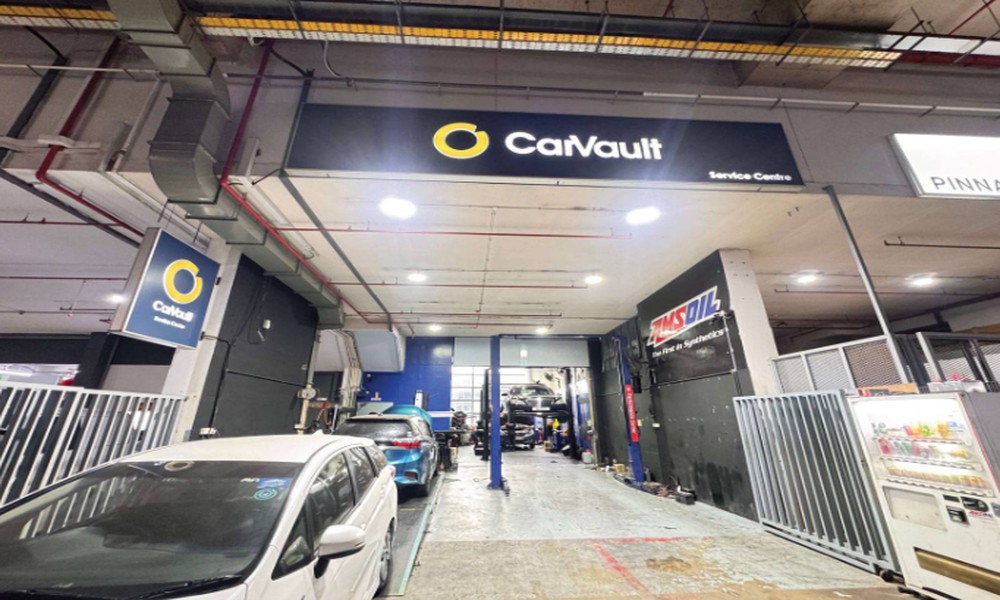
Professional car workshop services include vehicle inspection, maintenance, diagnostics, and repair work designed to keep vehicles operating safely and efficiently. These services address routine maintenance needs, mechanical faults, and system performance issues that arise over time.
In Singapore, vehicles operate under strict regulatory requirements and in dense urban traffic. Because of this environment, workshops often provide comprehensive support ranging from scheduled servicing to complex mechanical repairs. Understanding the typical services offered by a professional car workshop helps vehicle owners make informed decisions about vehicle care, maintenance planning, and safety.
Vehicle Inspection and Diagnostic Services
Car workshop services identify potential mechanical or electronic issues before they develop into major faults. Modern vehicles rely on integrated computer systems, sensors, and electronic components that require specialised diagnostic equipment.
Professional workshops use electronic diagnostic scanners to read fault codes stored within a vehicle’s onboard computer system. These diagnostic tools help technicians determine the root cause of performance problems such as engine warnings or irregular fuel consumption.
The diagnostic processes include several key checks:
- Engine system analysis
- Transmission performance testing
- Electrical system diagnostics
- Sensor and control module inspection
- Emission system checks
Routine Maintenance and Preventive Servicing
Routine maintenance refers to scheduled servicing tasks performed to maintain vehicle performance and reliability. Preventive servicing helps reduce the likelihood of sudden mechanical failures and prolongs the lifespan of major vehicle components.
Car workshop services follow manufacturer-recommended service intervals, which are usually based on mileage or time periods. Technicians typically inspect multiple vehicle systems and replace consumable components that naturally wear out, such as:
- Engine oil and oil filter replacement
- Air filter and cabin filter changes
- Brake inspection and adjustment
- Fluid level checks and replenishment
- Battery condition testing
Regular servicing ensures that vehicles remain safe to operate while maintaining efficient fuel consumption and smooth performance.
Engine Repair and Mechanical System Servicing
Engine repair services address issues affecting the internal combustion engine, which powers the vehicle. Mechanical faults may develop due to wear, overheating, component failure, or inadequate maintenance.
Professional workshops diagnose engine problems through systematic testing and inspection of major engine components. Repairs may involve replacing worn parts, correcting mechanical imbalances, or resolving combustion issues.
Typical engine-related services include:
- Engine component inspection
- Cooling system servicing
- Timing belt or timing chain replacement
- Fuel injection system maintenance
- Engine gasket replacement
These services ensure that the engine operates efficiently while preventing severe mechanical damage.
Brake System Inspection and Repair
Brake system services focus on maintaining the vehicle’s ability to stop safely under different driving conditions. A properly functioning braking system is critical for road safety, especially in urban environments with frequent stop-and-go traffic.
Professional workshops inspect brake components for wear, damage, or hydraulic system faults. Technicians assess several inspection points:
- Brake pad thickness measurement
- Brake disc condition assessment
- Brake fluid contamination testing
- Hydraulic brake line inspection
- Parking brake adjustment
Regular brake maintenance helps ensure consistent stopping performance and reduces the risk of braking system failure.
Transmission and Gearbox Servicing
Transmission servicing involves maintaining or repairing the system that transfers engine power to the vehicle’s wheels. This system includes either manual gearboxes or automatic transmissions, both of which require specialised maintenance.
Transmission problems often present as gear slipping, delayed shifting, unusual noises, or reduced acceleration. Professional workshops perform diagnostic checks to determine whether the issue is related to transmission fluid condition, internal components, or electronic control systems.
Typical transmission services include:
- Transmission fluid replacement
- Gearbox component inspection
- Clutch system servicing
- Transmission software recalibration
- Gear synchronisation checks
Proper servicing helps maintain smooth gear changes and prevents costly internal damage to transmission components.
Suspension and Steering System Maintenance
Suspension and steering services maintain a vehicle’s stability, comfort, and handling characteristics. These systems absorb road impacts and allow drivers to control vehicle direction safely.
Professional workshops inspect suspension components, including shock absorbers, springs, control arms, and bushings. Steering components are also examined to ensure accurate response and alignment. Key suspension and steering checks include:
- Shock absorber condition inspection
- Wheel alignment testing
- Steering rack examination
- Ball joint and bushing assessment
- Tyre wear pattern evaluation
Maintaining these systems helps improve driving comfort while ensuring stable vehicle handling.
Electrical System and Battery Services
Electrical system servicing focuses on maintaining the vehicle’s power distribution network, which supports components such as lighting, ignition systems, sensors, and onboard computers.
Modern vehicles contain numerous electrical components that rely on a stable power supply. Faults in the electrical system can cause starting issues, malfunctioning sensors, or dashboard warning lights.
Professional workshops commonly perform the following electrical checks:
- Battery health testing
- Alternator output measurement
- Starter motor inspection
- Wiring integrity assessment
- Lighting system checks
These services ensure electrical components operate correctly and prevent unexpected failures.
Air Conditioning System Servicing
Air conditioning servicing ensures that the vehicle’s climate control system continues to operate efficiently. In Singapore’s tropical climate, a functioning air conditioning system is essential for driving comfort and visibility.
Professional workshops inspect the air conditioning system for refrigerant leaks, compressor performance issues, and airflow restrictions. Air conditioning maintenance consists of :
- Refrigerant level checks
- Compressor performance testing
- Cabin filter replacement
- Cooling system leak detection
- Air vent airflow testing
These procedures help maintain effective cooling performance and prevent system breakdowns.
Tyre Maintenance and Wheel Services
Tyre maintenance services ensure proper traction, stability, and road safety. Tyres are the only components in direct contact with the road surface, making their condition critical for vehicle control.
Uneven tyre wear can indicate issues with alignment, suspension, or driving habits. Professional workshops provide these services:
- Tyre pressure inspection
- Wheel balancing
- Wheel alignment adjustment
- Tyre rotation
- Tyre replacement assessment
Regular tyre servicing helps extend tyre lifespan while improving vehicle stability and braking performance.
Vehicle Safety and Compliance Checks
Vehicle safety checks evaluate whether a vehicle meets safety standards and operational requirements. These inspections often focus on critical components that affect roadworthiness and driver safety.
Workshops conduct systematic inspections of brake performance, tyre condition and tread depth, emission control systems, as well as steering response to identify faults that could compromise safe operation. Routine safety checks help detect issues that may otherwise go unnoticed during daily driving.
Additional Services Provided by Car Workshops
Professional workshops often provide supplementary services designed to maintain vehicle condition beyond mechanical repairs. These services support overall vehicle reliability and operational convenience:
- Vehicle pre-purchase inspections
- Cooling system flushing
- Exhaust system checks
- Fuel system cleaning
- Preventive maintenance planning
These services allow vehicle owners to address potential issues proactively rather than waiting for mechanical failures.
Core Services in a Professional Car Workshop
|
Service Category |
Purpose |
|
Diagnostics |
Identify mechanical or electronic faults |
|
Routine Maintenance |
Maintain vehicle reliability and performance |
|
Engine Repair |
Address internal engine issues |
|
Brake Servicing |
Ensure safe stopping performance |
|
Transmission Servicing |
Maintain smooth power transfer |
|
Suspension & Steering |
Improve vehicle stability and handling |
|
Electrical System Checks |
Maintain reliable power distribution |
|
Air Conditioning Service |
Ensure proper climate control |
|
Tyre and Wheel Services |
Maintain road safety and traction |
|
Safety Inspections |
Confirm roadworthiness |
Frequently Asked Questions
What is included in standard car workshop services?
Standard car workshop services typically include vehicle inspections, engine diagnostics, routine maintenance, and mechanical repairs. Workshops may also provide brake servicing, transmission checks, tyre maintenance, and electrical system diagnostics, depending on the vehicle’s needs.
How often should a vehicle visit a car workshop for servicing?
Most vehicles require servicing every 10,000 to 15,000 kilometres or at least once every six to twelve months. The exact interval depends on the vehicle manufacturer’s maintenance schedule and driving conditions. Regular servicing helps prevent unexpected breakdowns and allows technicians to monitor the condition of vehicle systems.
What is the difference between car servicing and car repairs?
Car servicing refers to scheduled maintenance tasks performed to maintain vehicle performance and prevent issues. These services typically include oil changes, filter replacements, and routine inspections.
Car repairs, on the other hand, address specific faults or damaged components that affect vehicle operation. Repairs are usually performed after a problem has been identified through diagnostics or inspections.
Why are diagnostic tools important in modern car workshops?
Diagnostic tools allow technicians to analyse data from the vehicle’s onboard computer system. These systems store fault codes that indicate problems affecting different vehicle components.
Using diagnostic equipment helps technicians identify issues more accurately and reduces the time required to locate mechanical or electronic faults.
Can a workshop inspect a vehicle before purchase?
Yes. Many professional workshops offer pre-purchase inspections that assess the condition of a used vehicle before it is bought. These inspections evaluate the engine, transmission, suspension, and other critical components.
A pre-purchase inspection helps buyers understand the vehicle’s mechanical condition and identify any potential repair needs.
Conclusion
Professional car workshop services play an essential role in maintaining vehicle safety, reliability, and operational efficiency. These services range from routine maintenance to complex mechanical repairs that support long-term vehicle performance.
By understanding the range of services provided by professional workshops, vehicle owners can better plan maintenance schedules, identify early warning signs of mechanical issues, and ensure that their vehicles remain safe and dependable for daily use. Looking for a professional workshop to maintain your vehicle’s performance? Learn More