
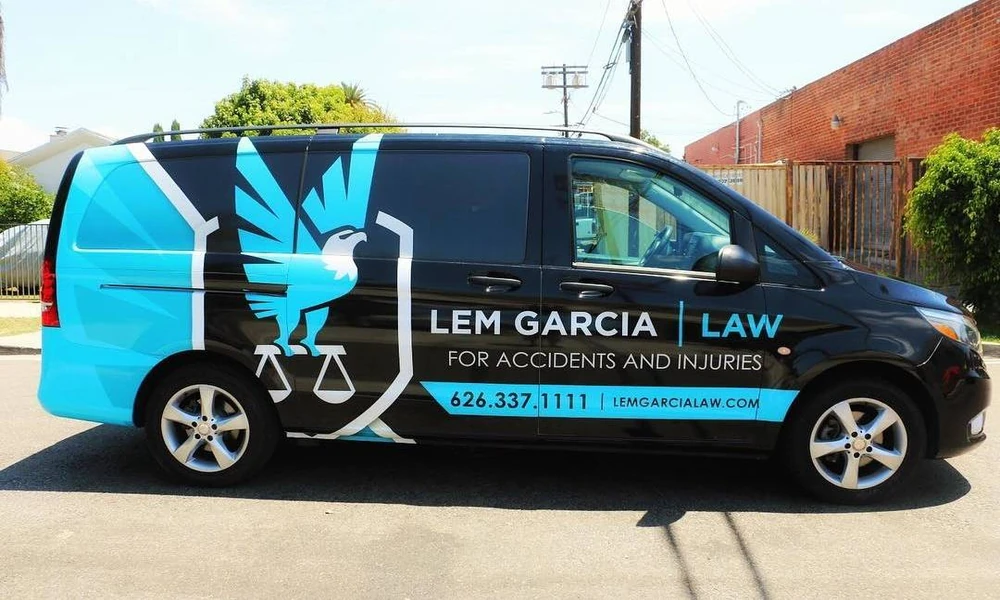
A sole proprietor who uses one car for work and personal travel still needs records of its actual use after adding business graphics. The company name stays visible during a private journey, but the artwork does not describe why that journey occurred. Keep business kilometres, total kilometres and expense documents in a usable record. Take questions about the wrap’s own tax treatment to an appropriate adviser.
The graphic stays on during personal trips
A newly branded car can feel like a business asset in a way that the same unmarked car did not. It appears in the company’s photographs, arrives at customers’ properties and carries a contact number outside working hours. That visible identity is part of the advertising project. It can also encourage an owner to stop noticing that the car continues to serve a private household.
Consider the ordinary weekend trip made for a personal reason. The name on the door has not changed, and somebody may happen to see it. Neither observation supplies a record of business travel. Avoid turning the possibility of being noticed into a substitute for describing the use of the vehicle.
The Canada Revenue Agency’s guidance on motor vehicle expenses says that, for mixed business and personal use, only the part paid to earn income can be deducted. It calls for records of total kilometres and those driven to earn income. As a sole proprietor, ask your accountant which records they need for the way you actually use this car.
Keep your actual circumstances available for the accountant. How the vehicle is owned, who uses it and how the business operates can matter to the advice you receive. The wrap does not make those questions disappear. A clear account of the circumstances is more useful than asking whether a logo makes the car “all business.”
Record the journeys rather than estimate from the branding
Choose a recordkeeping method you will use during the working week. It might be an appropriate paper log or a suitable electronic system. The important choice is whether you can maintain accurate information, not whether the method looks sophisticated. Review how it works before relying on it for a period you will later struggle to reconstruct.
CRA’s motor vehicle records guidance describes a full logbook with the date, destination, purpose and kilometres for each business trip. It also calls for odometer readings at the beginning and end of the fiscal period. Read the complete applicable guidance with your adviser rather than infer the record from photographs of the vehicle.
A calendar entry can remind you why you travelled, but it may not contain the distance or the information needed to identify the trip clearly. Capture the missing details when they are readily available. Waiting until tax preparation turns a modest daily habit into an exercise in remembering where the car went several months earlier.
Avoid filling uncertain gaps with an optimistic estimate based on the number of days the wrap was installed. Installation marks the start of an advertising treatment; it is not a measurement of business use. Tell the accountant where records are incomplete and ask how the actual evidence should be handled. Do not quietly turn a missing record into a favourable assumption.
Another person may use the same car. Agree how the necessary information will remain available without requiring them to narrate private life in a business notebook. The purpose is accurate vehicle records, including total and business use, rather than an unnecessary collection of personal detail. Discuss an appropriate arrangement with the person advising on your records.
Keep the wrap purchase identifiable in the paperwork
When ordering a custom-printed car wrap from SRS Tints in Mississauga, describe the branding work actually being commissioned. Retain the resulting scope and invoice as documents for that purchase. They can show what the installation involved without being asked to stand in for a year’s record of how the car was driven.
Keep personal styling decisions identifiable too if they form part of the project. A conversation with the installer about graphics and appearance has a different purpose from an accountant’s review of expenses. Accurate documents allow the adviser to consider the work as it was ordered. They should not be rewritten around a deduction the owner hopes to obtain.
Put a separate question beside the invoice: how should this actual installation be treated in your sole-proprietor records? Give the adviser the scope, cost and circumstances so they can consider whether it is a current expense, capital cost or another treatment. An answer about mixed-use running expenses should not silently decide the installation’s treatment too.
Give the adviser the records early enough to resolve questions. If information is needed about the purchase, obtain an accurate clarification from the supplier while the job is easy to identify. Ask for facts about the work, rather than asking a vehicle graphics business to provide a tax opinion. Each person can then contribute the information within their role.
Store the installation documents where you can find them alongside the appropriate business records. They need not be mixed into the driver’s everyday log. A useful filing arrangement keeps different evidence connected to the right question: what was bought, what expenses were paid and how the vehicle was used.
Carry the habit into an ordinary mixed-use week
The most useful moment to test the system is after the excitement of collecting the wrapped car. During an ordinary week, can you record a customer visit without leaving the entry until Friday? Can you locate the relevant receipt without searching a vehicle full of loose papers? Adjust the routine while small problems are still easy to fix.
Review entries for clarity rather than trying to make the usage appear more businesslike. If the pattern changes, let the records show that change. A new client schedule, a quieter period or greater personal use can all belong in the actual account. The design on the body panels need not change for the underlying pattern to be different.
On the next personal weekend outing, the car may still advertise the company beautifully. Let that be the wrap’s job. The use records can continue to tell the separate, accurate story of where the business travel ended.