
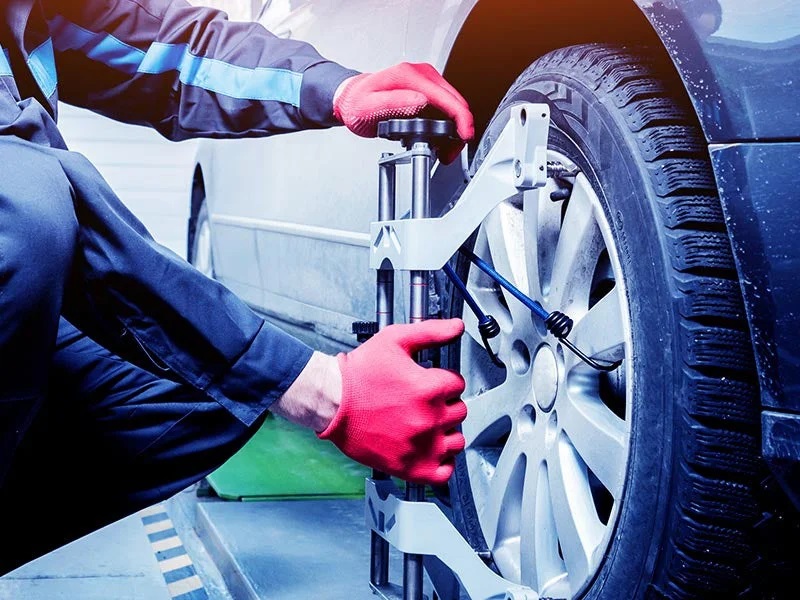
Car bumpers play a critical role in protecting passengers and minimizing damage during collisions. When a bumper is repaired after an accident, it’s essential that the restoration work meets safety standards to ensure the vehicle remains roadworthy. Verification of bumper repairs is not just about appearance, it’s about confirming that the bumper can perform its protective function effectively. For comprehensive inspection and reliable service, trusted Auto Repair in Hillsboro, OR shops ensure bumper repairs meet structural integrity and safety compliance standards.
Visual and Structural Inspection
The first step in verifying bumper repairs involves a thorough visual and structural inspection. Technicians check for cracks, dents, misalignments, or any sign of poor workmanship. They ensure that the bumper is properly aligned with the rest of the vehicle’s body and that mounting points and brackets are secure. Structural integrity is examined carefully, especially if the repair involved welding, bonding, or replacement of underlying metal supports. A well-aligned and firmly attached bumper signals a successful repair ready for further testing.
Material and Adhesive Quality Checks
Bumper repairs often involve replacing or repairing plastic covers and internal support components. Quality control includes assessing the materials and adhesives used during the repair process. Professionals verify that replacement parts meet OEM (Original Equipment Manufacturer) or equivalent standards, ensuring compatibility and durability. Adhesives and fillers must cure properly and bond firmly to withstand impacts and weather conditions. Using substandard materials can compromise safety and lead to premature damage, so this check is vital for roadworthiness certification.
Functional Testing of Impact Absorption
Bumper repair verification requires testing impact energy absorption and dispersion. Repair shops simulate impact resistance using specialized equipment and methods while vehicle manufacturers perform thorough crash testing. This may include checking the bumper’s flexibility, energy-absorbing foam behind the cover, and crash sensor alignment. Protecting car occupants and achieving safety regulations requires ensuring the repaired bumper can reduce crash forces.
Compliance with Legal and Manufacturer Standards
Finally, certified repair businesses verify that the bumper repair meets local and manufacturer standards. Before being roadworthy, a repaired bumper must pass inspection in several jurisdictions. Many repair centers provide paperwork or certification that the repair fulfills all standards. This documentation may be needed for car registration, insurance claims, or sales, giving owners peace of mind about safety and legality.
Conclusion
Verifying car bumper repairs is a multi-step process designed to ensure the vehicle remains safe and roadworthy after damage. From detailed inspections and quality material checks to functional testing and regulatory compliance, professionals follow rigorous standards to certify bumper restoration. These quality checks not only guarantee the bumper’s protective function but also help vehicle owners avoid legal issues and maintain their car’s value. Proper verification after bumper repairs is essential for safe driving and long-term vehicle reliability.